





Why owning a football club and running one are two completely different things
Capital is flooding into football. The clubs that know how to use it are pulling away from the ones that don't.
May 2026 • Written by Roshan Takhar
At the TransferRoom Leaders: Finance Exchange at Stamford Bridge, some of football's most senior financial decision-makers from clubs and organisations around the world gathered to discuss the future of football ownership. What followed was one of the more candid conversations the industry rarely has in public: owning a football club and running one are almost entirely different skills — and confusing them is where the real trouble starts.
Contributors
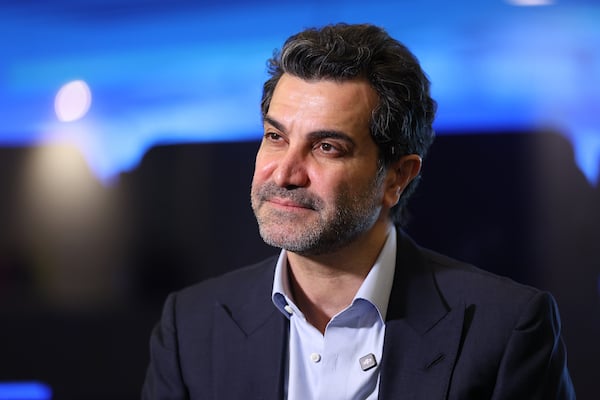
Mehrdad Ghodoussi
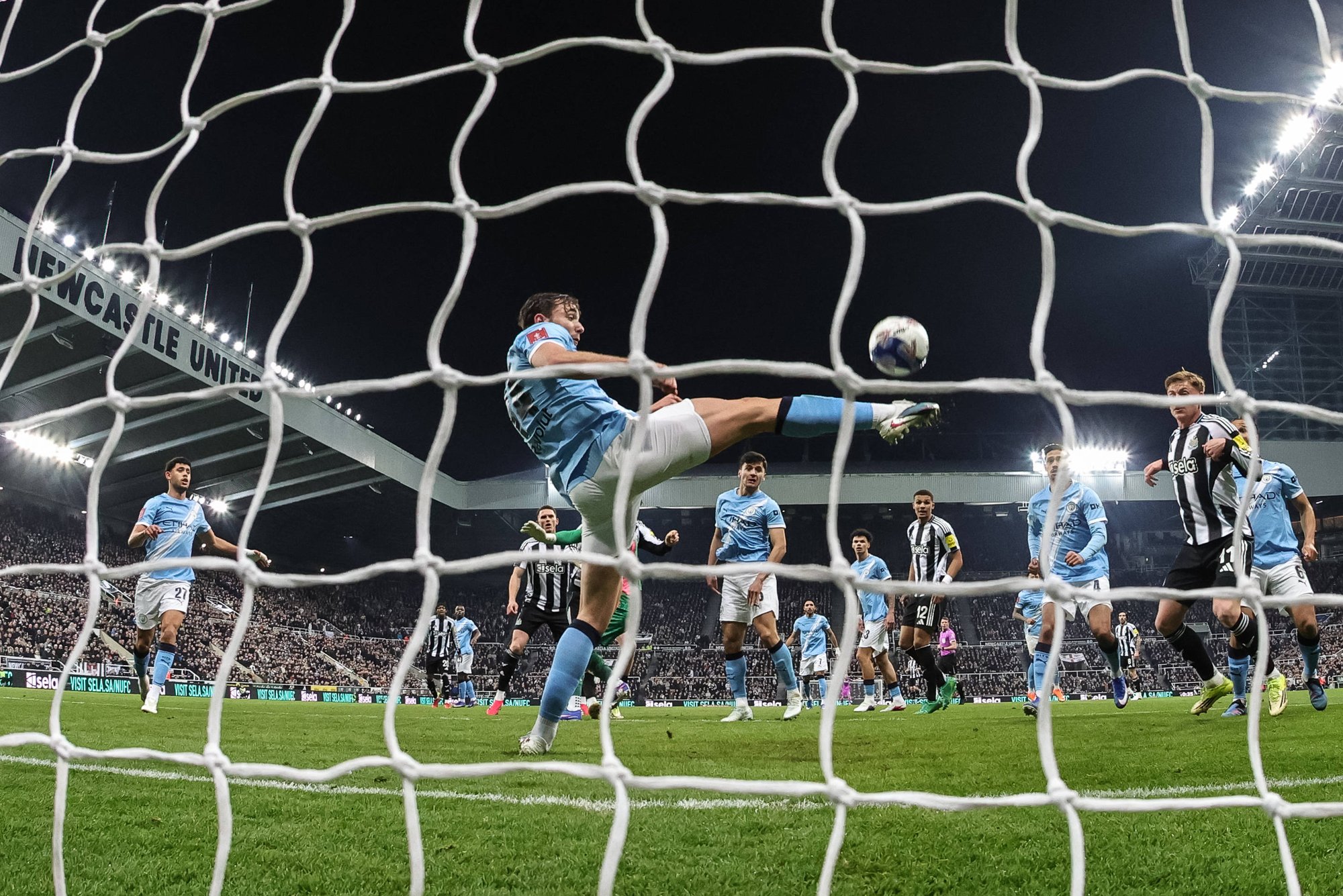
Managing Partner at PCP Capital Partners, a prominent private equity firm, who played a central role in the Saudi-backed takeover of Newcastle United and served as a hands-on executive navigating the club's revitalisation.
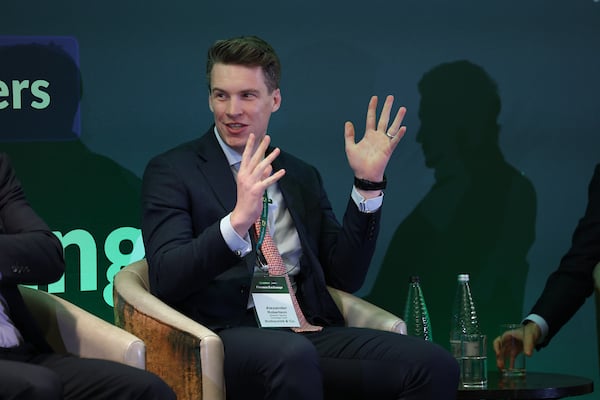
Alexander Robertson
Advising a wide array of global investors — from private equity to sovereign wealth funds — on high-value sports investments, club M&A, and sports technology.
Charlie Methven
Former CEO of Charlton Athletic, leveraging his high-profile executive experience at Sunderland A.F.C. to drive record commercial revenues and advise clubs across the global football pyramid.
Behind closed doors, the gathering brought together a group of people who have advised historic club boards at the highest level, co-owned a Premier League club alongside one of the world's largest sovereign wealth funds, and run football operations across multiple tiers of English and European football. The problems they describe — bad capital, bad decisions, and how quickly both can destroy a club — stretch from the Premier League to the Bundesliga, from Serie A to the emerging leagues of Asia and the Americas.

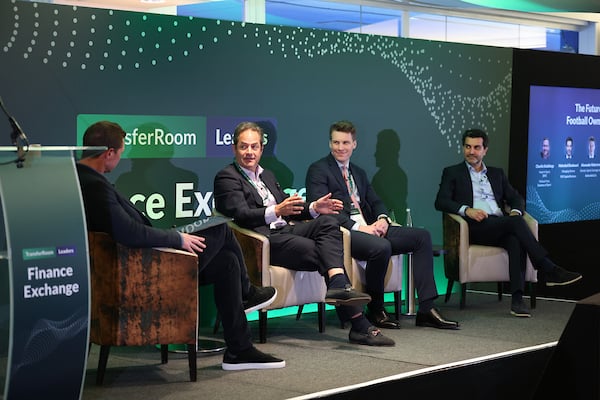
Charlie Stebbings (host, Business of Sport Show), Mehrdad Ghodoussi, Charlie Methven, and Alexander Robertson at the TransferRoom Leaders: Finance Exchange, Stamford Bridge, April 2026.
Why institutional capital keeps coming to football
There is a reason the money keeps arriving, and it is not irrational. Robertson, whose role at Rothschild requires him to map these dynamics for some of the world's most sophisticated investors, charts the evolution with precision. A decade ago, institutional money barely existed in football at a meaningful scale.
Chinese ownership was ascendant, then retreated. US interest began its long acceleration as domestic broadcast rights climbed sharply, the money followed the eyeballs. Once the institutions noticed, think private equity, sovereign wealth funds, the whole apparatus of global capital — there was no going back.
The multi-club ownership model was essentially non-existent ten years ago but is now, according to Robertson, the first conversation when any club comes to market. Sovereign wealth funds have arrived with strategic mandates that extend beyond pure financial return. Private equity is mapping the asset class with the rigour it would apply to infrastructure or logistics.
Ghodoussi has lived this thesis rather than theorised about it. "Sport has become content," he says. "That's where the monetisation is. Sport is the function of it, but the monetisation comes from the content, from people watching it."
His perspective is shaped partly by the experience of working alongside PIF, one of the world's largest sovereign wealth funds, whose involvement in Newcastle was driven both by an expected return profile and by the strategic value the club represented within Saudi Arabia's broader 2030 development agenda. For the right kind of capital, it is a financial vehicle, a media property, and a cultural instrument all at once.

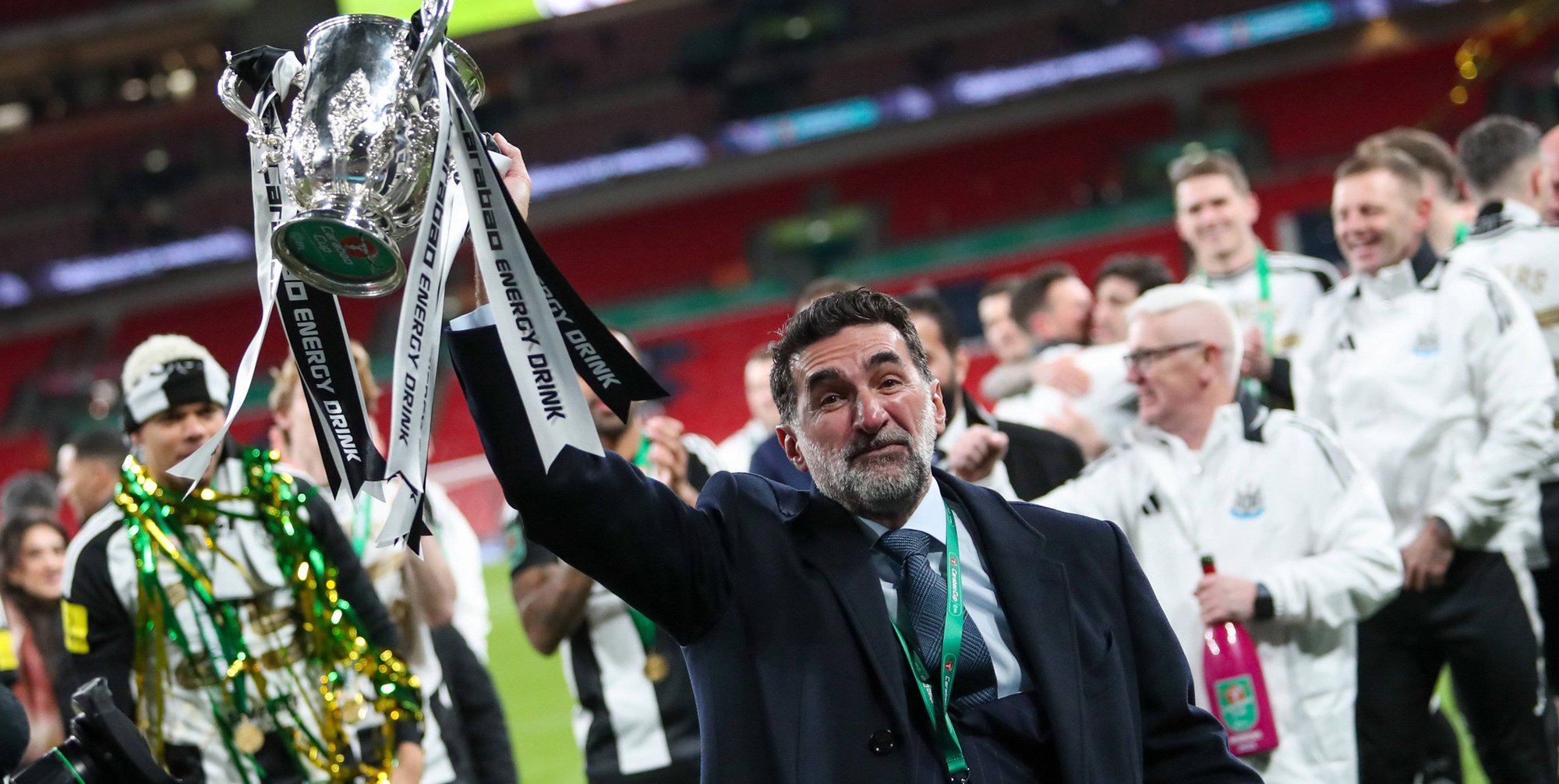
Chairman of Newcastle United and governor of the Saudi Arabian Public Investment Fund Yasir Al-Rumayyan celebrates Newcastle United winning the 2025 EFL Carabao Cup
Robertson has watched the calibre of incoming ownership groups change significantly over the past decade. Rights revenues, commercial growth, global audience expansion — the fundamentals have done the selling and that has attracted sovereign wealth funds and institutional capital with genuine depth.
There's no doubting the opportunity but it's one thing to identify it; it's quite another to capitalize on it.

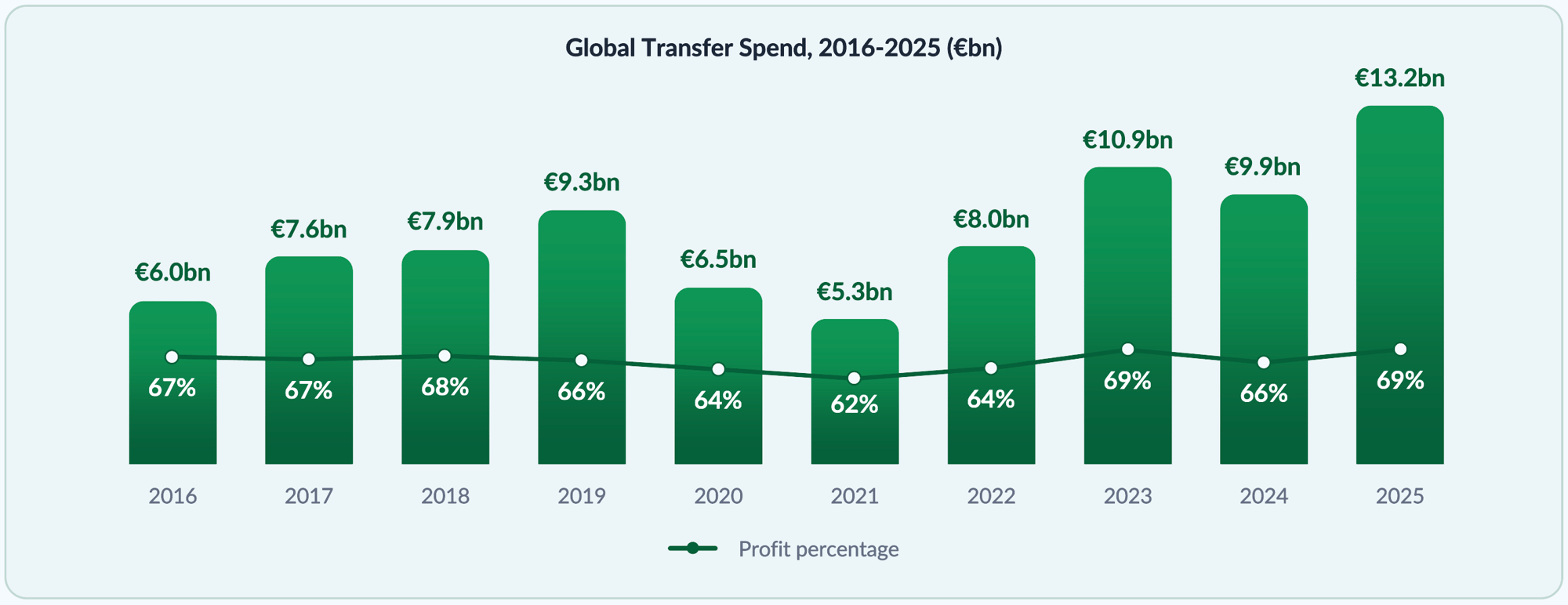
Global transfer spend has more than doubled in under a decade from €6bn in 2016 to €13.2bn in 2025. Yet the share of clubs generating positive player trading profit has barely moved. The market is bigger. The margin for error isn't.
Note: Profit percentage defined as the share of clubs generating positive player trading profit on transfers vs spending more
Source: TransferRoom data
€43.1bn
Projected European football revenue by 2025/26
€13bn+
Global transfer market spend in 2025. (52% up from 2024)
271%
Growth in global transfer spend over the last decade
The gap between owning a club and running one
“Football is not just a business that’s a factory that you invest money in and you’re going to get your returns. It’s emotive. There are so many different nuances and different catalysts around it that shape the game.”
Mehrdad Ghodoussi
Managing Partner, PCP Capital Partners
October 2021, Newcastle United are 18th in the Premier League table, limited by their physical infrastructure and the huge emotional investment from their fans, were in need of immediate development.
PCP Capital Partners arrived into a living institution under pressure, unlike the more traditional detached, clinical kind of distress that private equity is used to pricing.
The sequence of early decisions — managerial, tactical, commercial, structural — had to happen simultaneously and at speed, faster than any business "normal" transformation plan allows for. A hundred-day plan. A two-year plan. A five-year plan. All prepared before entry. All stress-tested almost immediately upon contact with reality. "We really had to jump into the deep end," Ghodoussi recalls. No Sporting Director, a managerial vacancy in October, and his first transfer window arriving in January, with the squad in need of urgent reinforcement.
Methven, drawing on his own experience across multiple clubs and ownership structures, identifies the root cause of this pattern. Many incoming owners, regardless of how accomplished they are in their primary fields, arrive in football thinking — at least partially — the way a fan thinks. The view from the stands, or from the expensive seats, is deceptively simple: hire a good manager, sign good players, get on with it. "They walk through the door," Methven says, "and they get hit by all these different centrifugal forces spinning them round and round." A year later, the tone has changed entirely.
The experienced executive, properly empowered and installed before they are needed rather than recruited urgently after the first crisis, matters more than almost any other decision a new owner makes. "When I meet new ownership groups," he observes, "it's the one which they are least focused on. They're so excited about the asset they're buying." The operational plan — the who, not just the what — tends to come later. Sometimes much later.

“They walk through the door and they get hit by all these different centrifugal forces spinning them round and round.”
Charlie Methven
Former CEO, Charlton Athletic
One of those forces hits harder than any other.
“Your biggest loss at a football club is buying a fifty million pound player and he turns out not to work out. What do you do there?”
Mehrdad Ghodoussi
Managing Partner, PCP Capital Partners
A single transfer gone wrong for a player who looked the part, was signed on sound reasoning, but was undone by injury or circumstance — this can eliminate the financial headroom that underpins everything else. For most clubs, one misjudged signing and the room for manoeuvre across the entire organisation contracts sharply. There is no way to hedge it. Only the discipline to make better decisions in the next window, and the resilience to absorb the consequences of the current one.
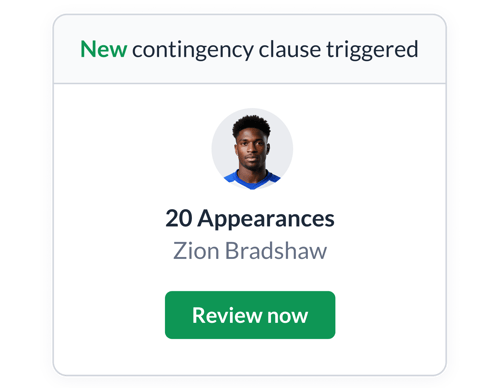
The same logic extends to the contingency obligations embedded across a squad's contracts — the performance bonuses, appearance fees, and transfer-related clauses that accumulate across a window, a season, a cycle. Obligations that, untracked or underestimated, can distort a club's true financial position as materially as any failed signing, and with far less visibility until it is too late. Yet few clubs have complete sight of them in real time.
This is what the analysis stage of any investment misses, football's value destruction is non-linear. It does not happen in the gradual, predictable way that most asset deterioration does. It accelerates. It cascades.
How fast things can unravel: Decision-making under pressure
Methven has spent enough time inside football operations to have developed a vocabulary for these dynamics that is both precise and, at times, deliberately unsettling. He talks about the death spiral: the chain reaction in which a single poor decision produces poor performance, which produces pressure on revenue, which produces external and internal pressure, which creates the conditions for further short-term decision-making, which produces more poor performance. "The whole thing goes round and round and round."
Most industries have the same feedback loop. Football just runs it faster.
“Football operates in a pressure cooker where the impact of bad decisions happens quicker than in almost any other business environment — and is more visible, and drives other negative outcomes more directly.”
Charlie Methven
Former CEO, Charlton Athletic
The phrase he uses to capture this is dog years. Decisions that might take a conventional organisation years to manifest produce outcomes in football within months, sometimes weeks. A league table is a real-time, publicly visible performance metric that updates every Saturday. There is nowhere to hide, and no smoothing mechanism that absorbs the shock of a bad run.
This acceleration is structural. You cannot slow it down. You can only be ready for it through experienced leadership, and the kind of knowledge that comes from having been here before.
The transfer deadline that explains everything
Methven has a story about this. Transfer deadline night. He is in a taxi returning from a business engagement, certain the deal was dead — the asking price had exceeded the club's valuation and negotiations had gone quiet.
Then the taxi driver turned up the radio.

His club were back in for the player. The price had tripled. "When I left the training ground," Methven says, "it was one million; it was being turned down. It's now three million."
He blames himself entirely. You need to be in the building. Committees only work if everyone is in the room. "Once you're dispersed," he says, "strange things can happen." It never appears in any investment thesis. It's only learned the expensive way.
The steady state question: Can any club ever truly stand still?
Robertson puts a question to the room that sits at the heart of every football investment case: is there such a thing as a steady-state club? The logic is sound on paper — a club that stays broadly competitive, keeps revenues stable, and allows the natural appreciation of top-flight membership to compound over time.
Ghodoussi isn't convinced. Football clubs, in his experience, are not designed to break even. The costs are not fixed. The players — above all — do not behave like commodities with predictable pricing. Domestic broadcast rights, which for years drove the macro investment thesis, are flattening. International growth continues, but slower than before. "Breaking even is very, very difficult," he says. "That's just the reality of football."

Methven's challenge is different. Break-even isn't the point. The question is whether a steady-state exists as a durable condition at all. The moment you describe a club as stable, the egg timer has already been flipped. The compounding speed of decisions in dog years means no position is secure without continuous work. Even the most stable clubs — consistently competitive, financially prudent, professionally managed — are only ever a few poor decisions away from a very different situation.

“Football is not a factory where you’re building widgets. Breaking even is very, very difficult. That’s just the reality of football.”
Mehrdad Ghodoussi
Managing Partner, PCP Capital Partners
The appreciating asset is real. But buying well is only half of it (and arguably the easier half). Returns are made or lost in the operational execution. How you run it. How fast you catch problems. How disciplined you are when the pressure is on.
Cost controls and football's F1 moment
The conversation around financial regulation surfaces a structural tension the room knows well — and the panel's collective frustration with the gap between regulation's intent and its real-world execution is palpable.
Meaningful cost controls, properly designed and enforced, would accelerate the transition of football clubs from structurally loss-making passion projects into genuinely investable, sustainable businesses.
It is a challenge that extends well beyond England's borders, UEFA's financial sustainability regulations, the ongoing debates within leagues across Europe, and the broader question of how football's governing bodies create frameworks that protect clubs from themselves are all expressions of the same underlying problem.

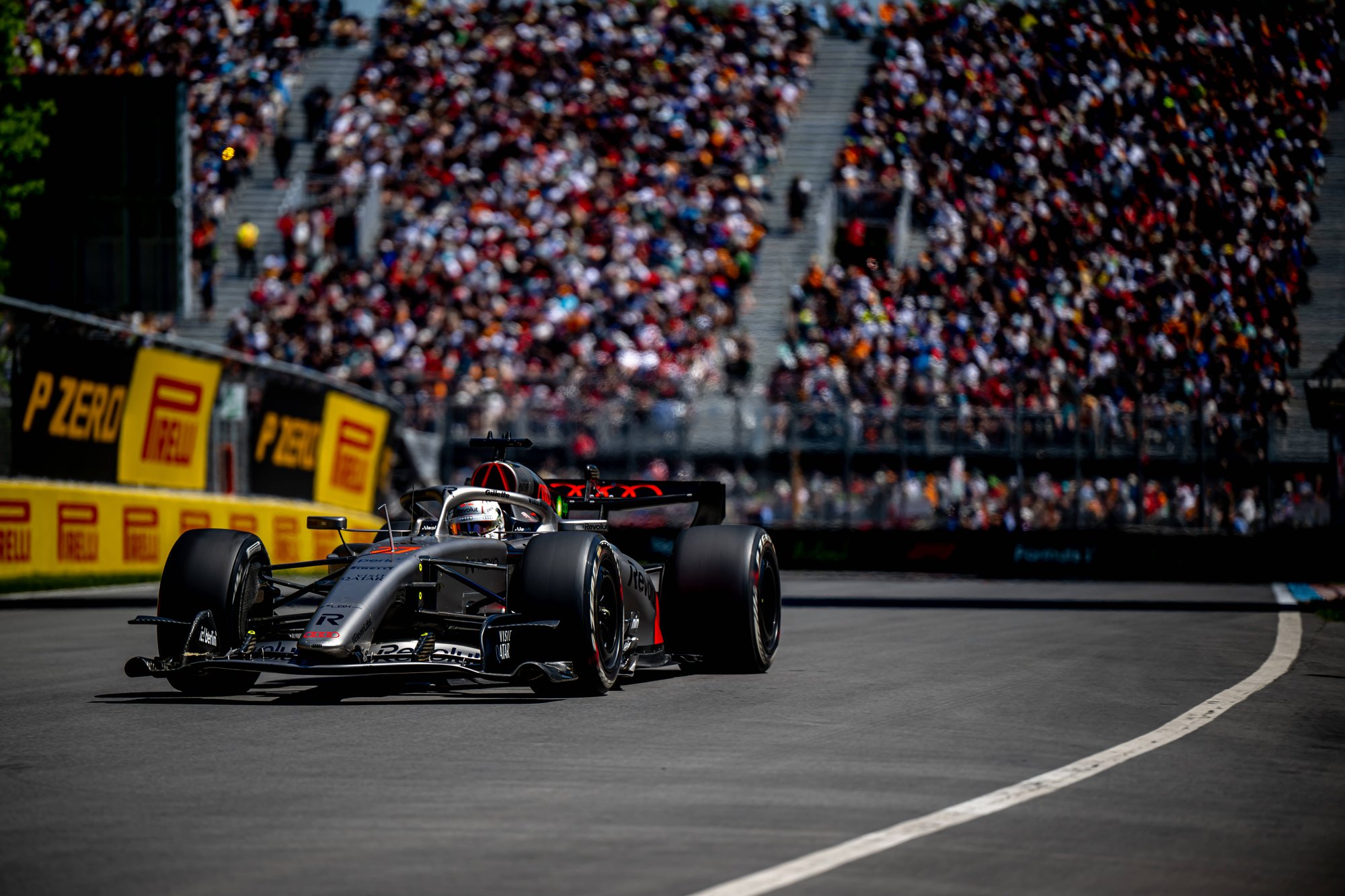
Formula 1's cost cap transformed the sport's financial model — and its asset valuations.

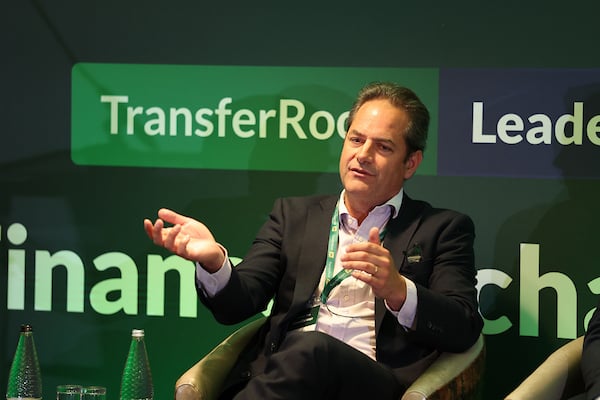
Alexander Robertson, Sports Coverage Lead at Rothschild & Co, speaking at the TransferRoom Leaders: Finance Exchange, Stamford Bridge, April 2026.
Robertson is skeptical about where things stand. Most regulations don't yet have enough teeth. Across the majority of leagues, clubs still expect to lose money consistently. The framework exists. The consequences for breaching it don't yet match the scale of the problem.
Formula 1 is the closest parallel. The introduction of a cost cap transformed a grid of loss-making racing operations — some worth hundreds of millions — into entities now valued in the billions, precisely because sophisticated investors could finally model the cost base with confidence. Suddenly the numbers made sense and capital followed.
Methven is more optimistic. At the elite level, he argues, the regulations are starting to work. UEFA sanctions are starting to carry real weight. The threat of exclusion from European competition is no longer theoretical. When that becomes a genuine business risk, behaviour changes.
The clubs already ahead aren't waiting to find out — they're modelling the financial impact of decisions before they make them. Later this year, TransferRoom releases Scenarios — a tool that lets clubs do exactly that, seeing the full financial impact across PSR, FFP, cash flow, and squad cost ratio before they commit.
What multi-club ownership actually requires
On multi-club ownership, the panel offers a view that is held by many in the industry, a certain scepticism.
Specifically a version of MCO which is buying broadly equivalent clubs across different geographies and betting that central cost savings and shared knowledge will outweigh the losses of running multiple football operations at once.
The reality hasn't matched the theory. Synchronising costs across multiple clubs is harder than it looks on paper. Managing different cultures, different markets, different fan bases simultaneously stretches any organisation.
And supporters of one club don't simply become supporters of another because they share an owner — if anything, the opposite tends to be true.

How the Red Bull model looks across global markets
The most successful MCO Models
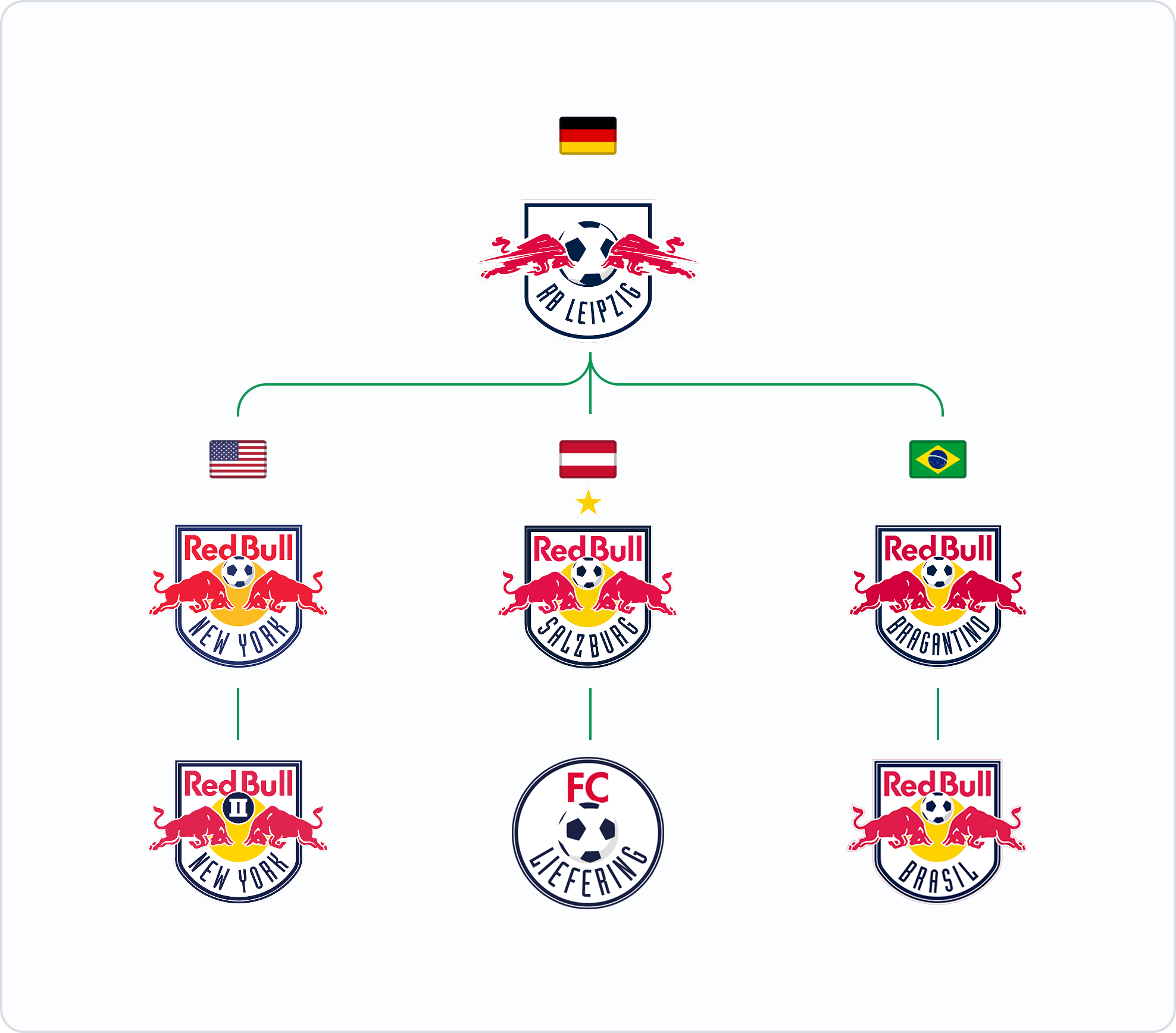
A player development architecture built around progression. Leipzig, Salzburg, Bragantino, and most recently RB Omiya Ardija in Japan. Players move through the system by design. The top club benefits from the pipeline. The pipeline justifies the whole structure.
Right to Dream
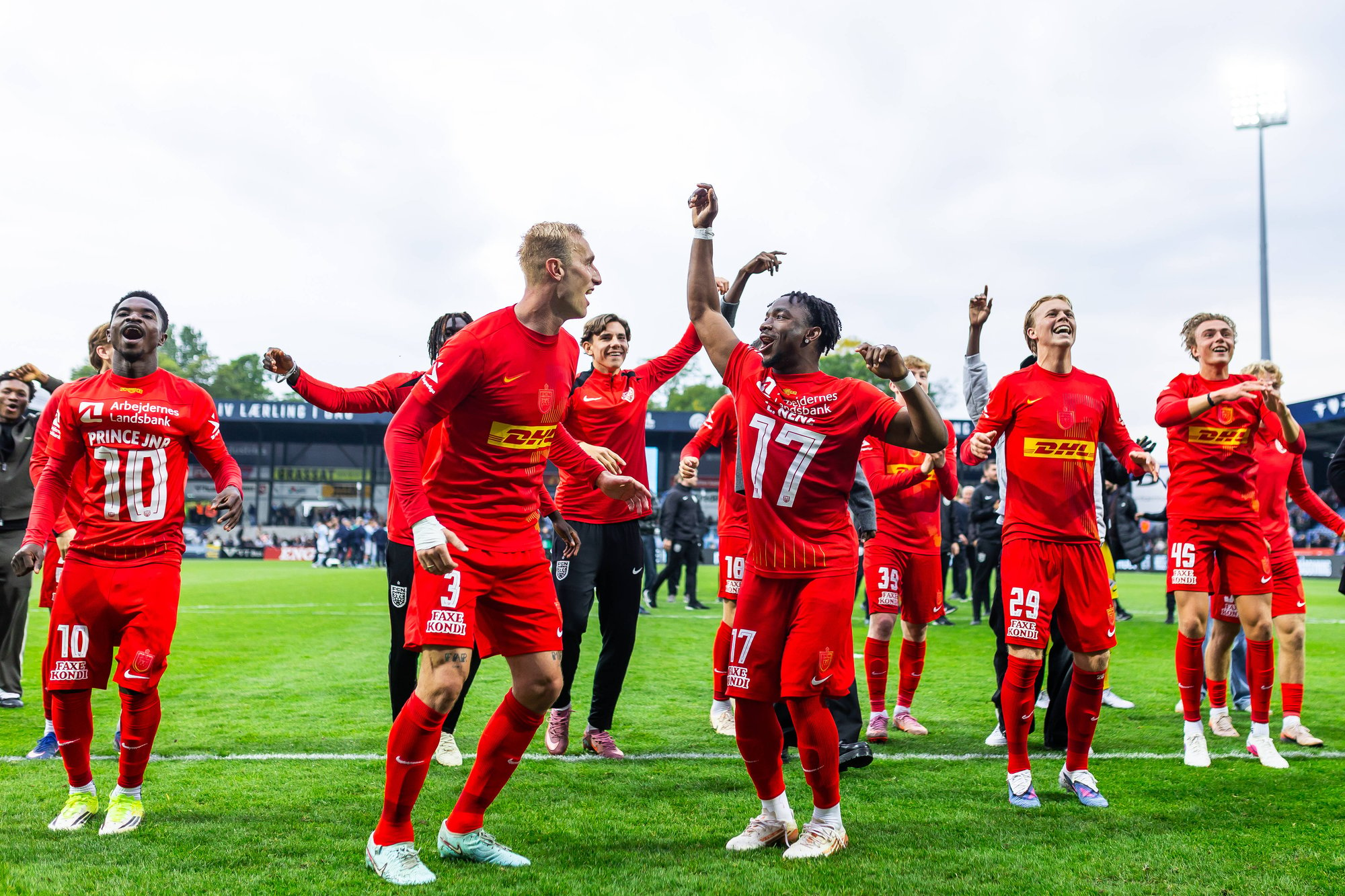
A pathway from West Africa through Denmark and into the professional game at higher levels. Specific, replicable, and rooted in a clear purpose. The relationship between clubs is functional, offering pathways into European football and profitable trading for the club.

FC Nordsjælland, Right to Dream's flagship club in Denmark — One of football's most successful development pipelines.
What both have in common: the clubs exist to serve the model and the model benefits all parties involved. Not some more than others.
The future of football ownership comes down to one thing: how seriously those who enter it take the operational dimension of what they have acquired. Whether you are acquiring a Premier League club, a Bundesliga contender, or a development-focused operation in an emerging football market — the principle is the same.
The capital is available. The macro thesis is sound. The scarcity value of elite football clubs is real and likely durable. Institutional capital, private equity, sovereign wealth funds — all of them see something genuine when they look at this market.
Between them, Ghodoussi, Methven, and Robertson have lived this from every angle, inside the club, running it, and advising the people who own it. The asset does not manage itself. The decisions that compound into significant difficulty are rarely dramatic in isolation. They are a dinner booked on the wrong evening. A committee that disperses at the precise moment it should cohere. A recruitment process that begins with the wrong conversation in the wrong place.
The clubs pulling ahead are the ones treating operational and financial infrastructure with the same seriousness as their playing squad. Knowing what your club is owed, what it owes, and when those obligations land — that is not admin. In the environment these three are describing, it is an edge. TransferRoom's Contingency AI was built precisely for this.
The egg timer is always running. The clubs that know it are already ahead.

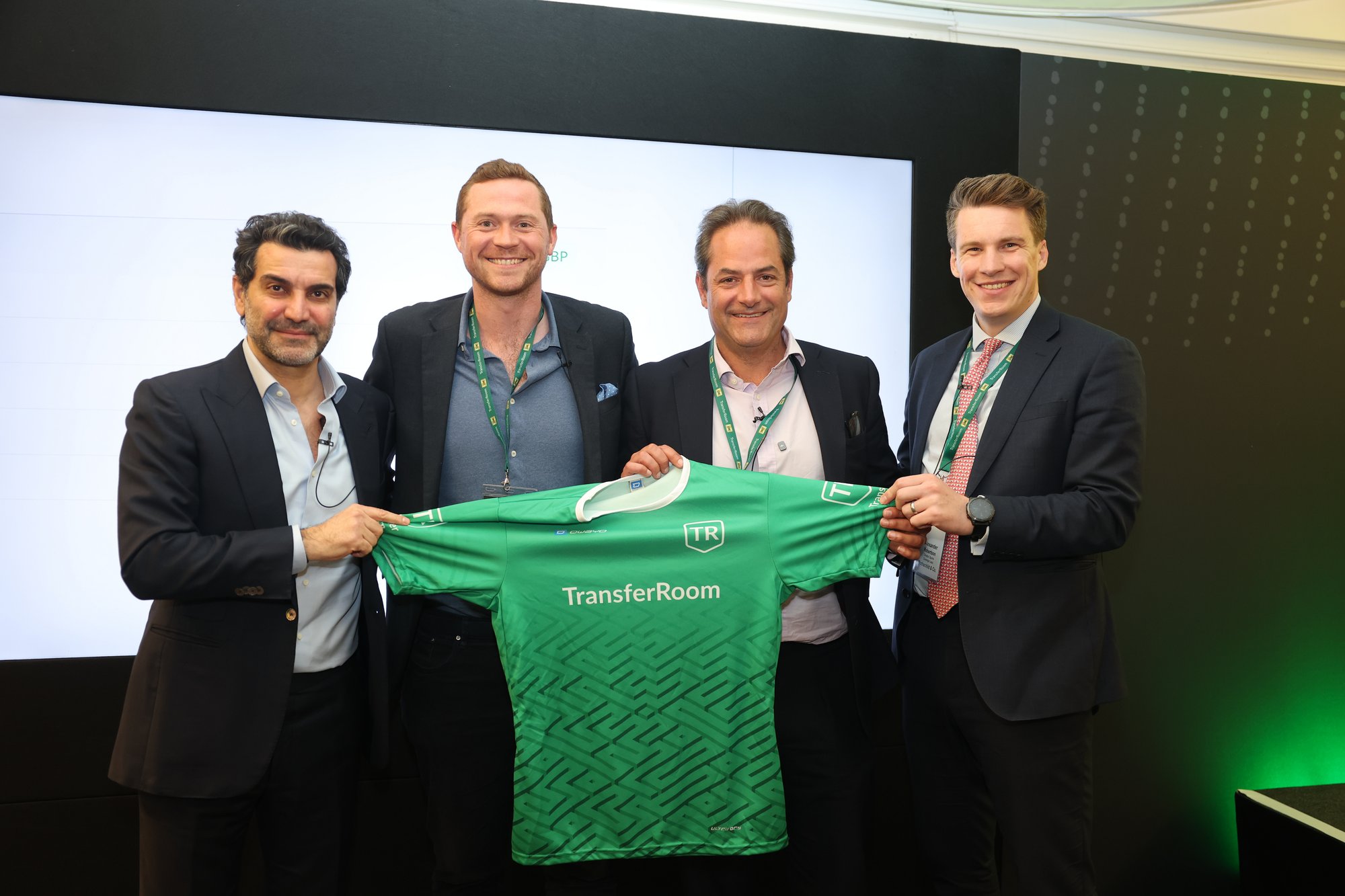
Pictured left to right: Mehrdad Ghodoussi, Charlie Stebbings, host of the Business of Sport Show, Charlie Methven, and Alexander Robertson at the TransferRoom Leaders: Finance Exchange, Stamford Bridge, April 2026.
About the TransferRoom Leaders: Finance Exchange: Insights in this piece draw on panel discussions from the TransferRoom Leaders: Finance Exchange at Stamford Bridge, featuring Mehrdad Ghodoussi (Managing Partner, PCP Capital Partners), Charlie Methven (Former CEO, Charlton Athletic) and Alexander Robertson (Sports Coverage Lead, Rothschild & Co). All quotes have been lightly edited for clarity.

Real-time alerts for triggered clauses and invoicing

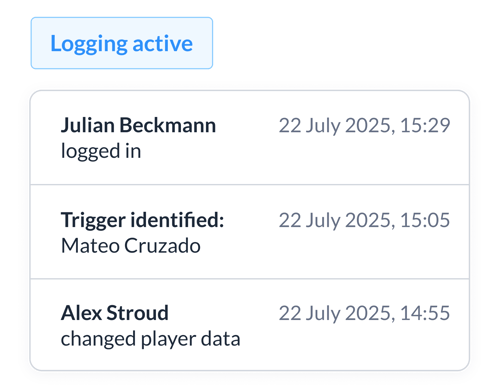
Full transparency into user activity
Prove your ability to source the best opportunities
Show your player that you have access to all club requirements matching his profile in real-time as well as the ability to pitch him directly to decision makers globally.
.png)